
If your dog whines, barks, or destroys things when left alone, you’re not alone. Separation anxiety in dogs is one of the most common behavioural challenges in Auckland and across New Zealand. It can be stressful for both dogs and their owners, but the good news is that with the right separation anxiety dog training in Auckland, dogs can learn to feel safe, calm, and confident when left alone.
Separation anxiety occurs when a dog becomes highly stressed or fearful when apart from their owner. Signs often include:
Dogs with separation anxiety aren’t being “naughty” — they’re reacting out of fear and stress.
Several factors can contribute to separation anxiety:
Understanding the cause is key to helping your dog feel secure.
You may want professional help if your dog exhibits:
Early intervention is important — the longer the behaviour continues, the harder it can be to change.

Separation anxiety dog training in Auckland focuses on teaching dogs to cope with being alone in a calm, positive way. Training typically includes:
Professional trainers guide owners through each step to ensure progress is safe and effective.
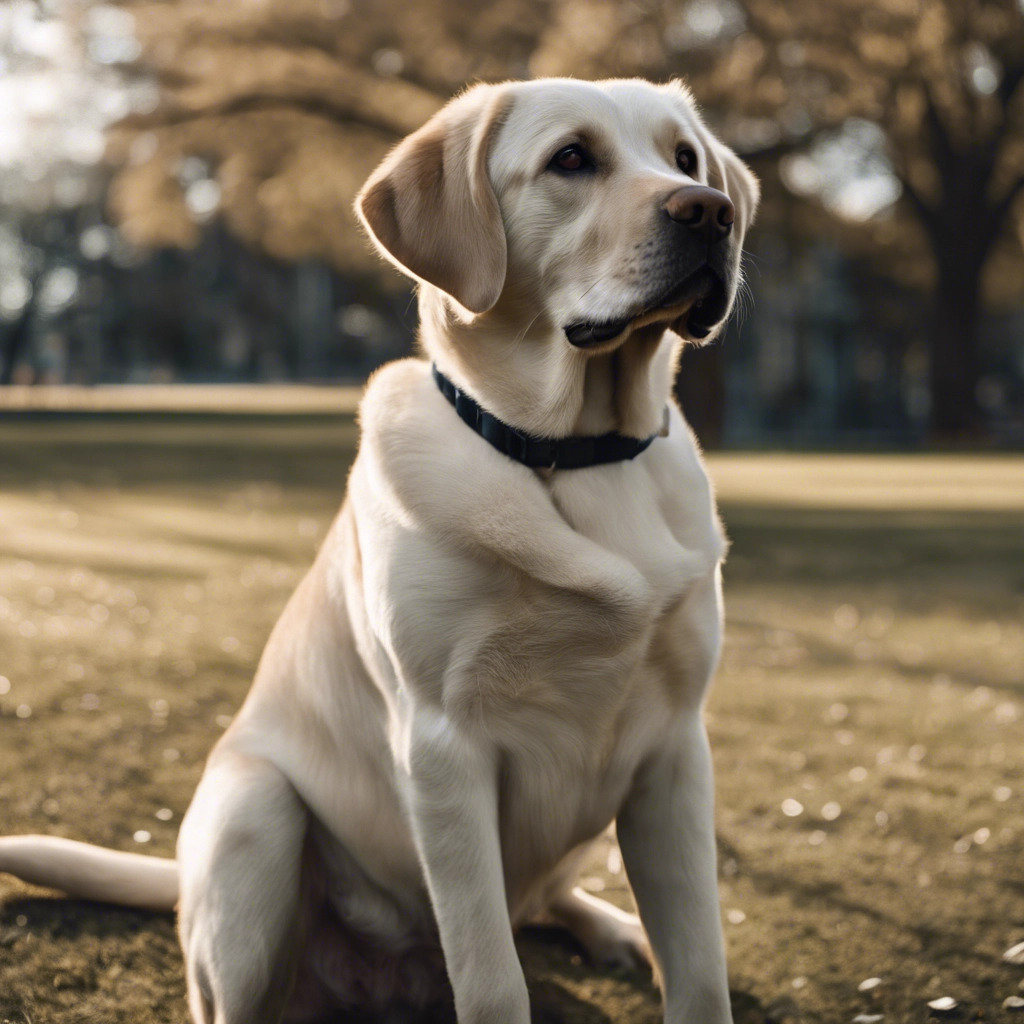
Punishing a dog for separation anxiety can make the problem worse. Dogs with this condition aren’t misbehaving out of spite — they’re scared and stressed. Effective training focuses on:
This approach creates long-term, sustainable improvements in behaviour.

Working with a professional trainer provides several advantages:
Many owners find that professional support dramatically improves both their dog’s behaviour and their own peace of mind.
While training, you can help your dog by:
These small changes complement professional training and reinforce progress.
Severe separation anxiety can escalate quickly and impact your dog’s safety and wellbeing. Consider professional training if:
Early intervention often leads to faster and more lasting results.
Separation anxiety in dogs is common but manageable with the right approach. Separation anxiety dog training in Auckland focuses on reducing fear, building confidence, and teaching dogs to cope with alone time safely and calmly.
With structured guidance, patience, and consistency, your dog can learn to feel secure when left alone, giving you both peace of mind and a happier, healthier relationship.
Start your journey today with professional guidance that gets real results.
Start Your Dog Off on the Right Track with Good Dog Training.
Your initial consultation is the first step to a lifelong partnership with a well-behaved, confident, and connected dog.